The Heartbeat
Science, stories, and honest advice for people who take love seriously.

Why We Fall in Love: The Biology Behind Attraction
The biology behind attraction begins before we can explain desire, blending scent, hormones, memory and reward into the feeling we call love.

What Happens in the Brain When You Love Someone
A clear look at what happens in the brain when you love someone, from dopamine and oxytocin to attachment, stress and long-term bonding in real life.

Attachment Styles: How Childhood Shapes Adult Love
Attachment styles can reveal why childhood patterns echo in adult love, shaping trust, conflict, desire and the ways couples repair after pain.

The Science of Chemistry: Why Some People Feel Magnetic
The science of chemistry shows why attraction can feel instant, bodily and strangely specific—and why magnetism is only the beginning of love.

Oxytocin, Dopamine and Serotonin: The Chemistry of Love
A clear guide to the hormones of love—oxytocin, dopamine and serotonin—and how they shape desire, attachment and the calm work of staying close.

Why Long-Term Love Feels Different from Early Romance
Early romance runs on novelty and longing; long-term love feels different because the brain, body and bond learn a steadier form of intimacy.

Can Love Be Measured? What Relationship Research Says
Can love be measured? Relationship research suggests yes, but not as a score: it tracks habits, stress, repair and attention over time together.

The Psychology of Compatibility: What Really Matters
The psychology of compatibility is less about matching tastes than sharing values, repair skills and the freedom to keep becoming yourselves together.

Why Opposites Attract — and When They Don’t
Why opposites attract is partly mystery, partly psychology: difference can spark desire, but similarity often sustains love over time.

How Stress Affects Love, Desire and Connection
Stress can dull desire, sharpen conflict and make tenderness harder to reach. Here is what biology reveals about staying connected under pressure.
Can Couples Become More Compatible Over Time?
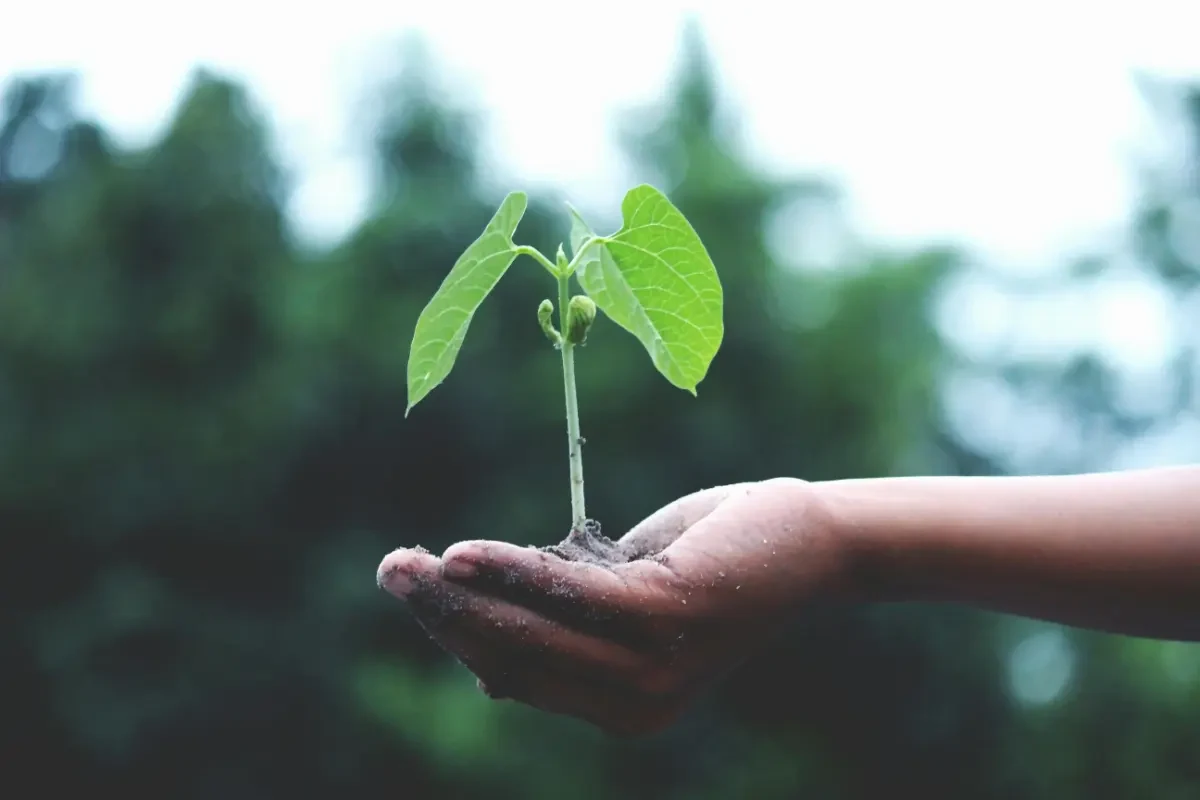
Can couples become more compatible over time? Research suggests yes, when partners build habits, repair well and accept limits.
Dating Over 30: How Compatibility Changes When You Want Something Real
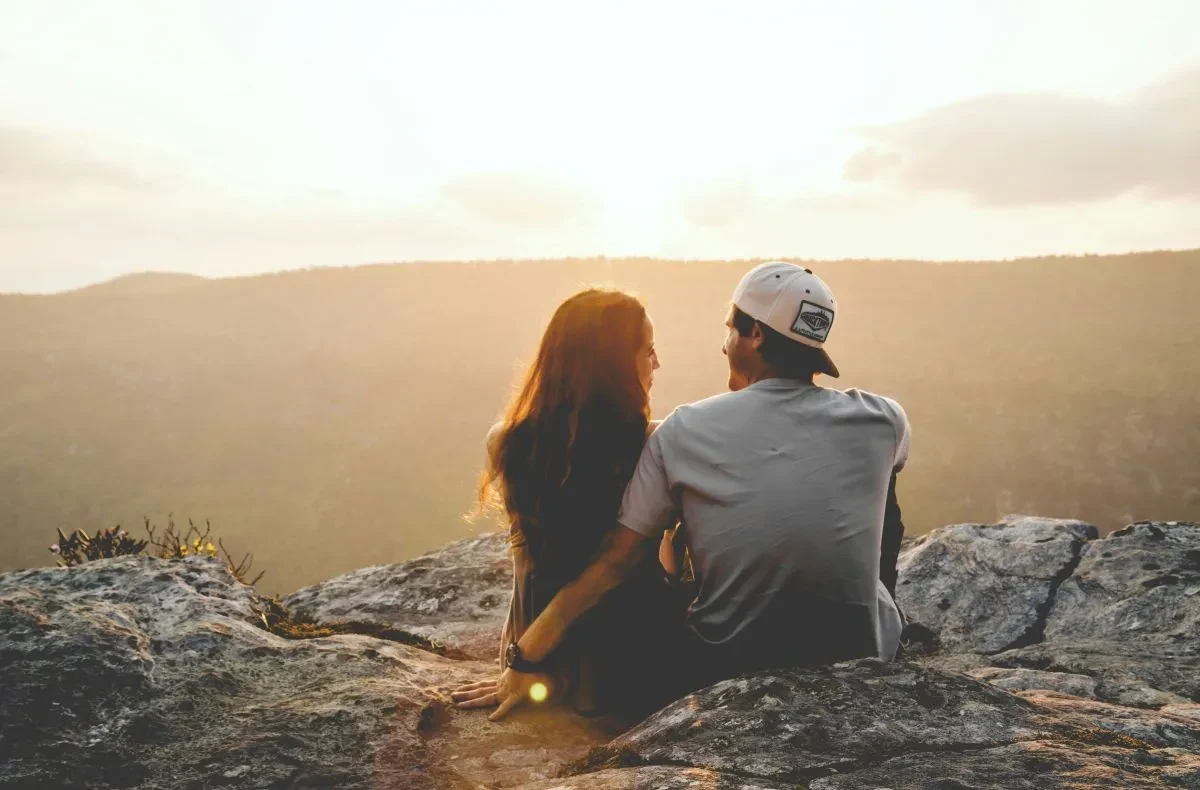
Dating over 30 often brings sharper clarity about compatibility, commitment and values when what you want is not chemistry alone, but something real.